
Experienced Chiropractor In Holland, MI
QUALITY CARE YOU CAN TRUST AT PARKHURST CHIROPRACTIC
Welcome to Parkhurst Chiropractic, your go-to spot for top-tier chiropractic services right here in Holland, MI. With more than 23 years proudly serving our community and a wealth of combined experience exceeding the 80-year mark, we’re not just experts – we’re pioneers in cutting-edge chiropractic techniques.
Our skilled team isn’t just made up of six graduates from Palmer College; they’re also friendly faces who genuinely care about guiding you towards improved spinal health. Whether you need therapy for spine decompression or treatment for that pesky sports injury, rest easy knowing our approachable staff stands ready with custom-tailored solutions designed just for your needs!

Shockwave Therapy
One of the many highlights of our innovative practice is Shockwave Therapy, commonly referred to as Acoustic Compression Therapy (ACT) and also known as Extracorporeal Shockwave Therapy. This treatment is particularly beneficial for individuals grappling with foot problems or anyone managing acute and chronic pain in muscles, tendons, and joints. This pioneering Piezo Wave Shockwave Therapy has gained us a noteworthy reputation among doctors and podiatrists throughout the county, who refer patients to us for this exclusive service.
This unique therapy can provide efficient relief from pain and improve the quality of patient care. As the only chiropractic center offering this service in the region, we encourage fellow healthcare professionals to see how our Shockwave Therapy can supplement their treatment protocols, bringing a more holistic approach to patient well-being.
Our Mission
Since the beginning, our mission has been to offer our patients customized, quality care in a comfortable environment. At Parkhurst Chiropractic, you are our top priority. We want to hear your story, listen to your concerns, and understand just what you are going through. Utilizing the “whole person approach,” we create care plans that combine both chiropractic adjustments and modalities that enable us to treat not only the symptoms of your pain, but more importantly, the root of the problems at hand.
With the help of our caring staff members, we aim to make your chiropractic journey an unforgettable experience unique to your personal needs. You may enter as a stranger, but rest assured, you will leave as a friend.
NEW PATIENTS
OUR CHIROPRACTIC SERVICES
We work with everybody and are here for you 5 days a week. From neck pain, back pain, shoulder pain, and headaches to tendonitis, fatigue, digestive issues, or menopause – the Parkhurst Chiropractic doctors have advanced continuing education and areas of focus to address it all.

Meet Our Experienced Team
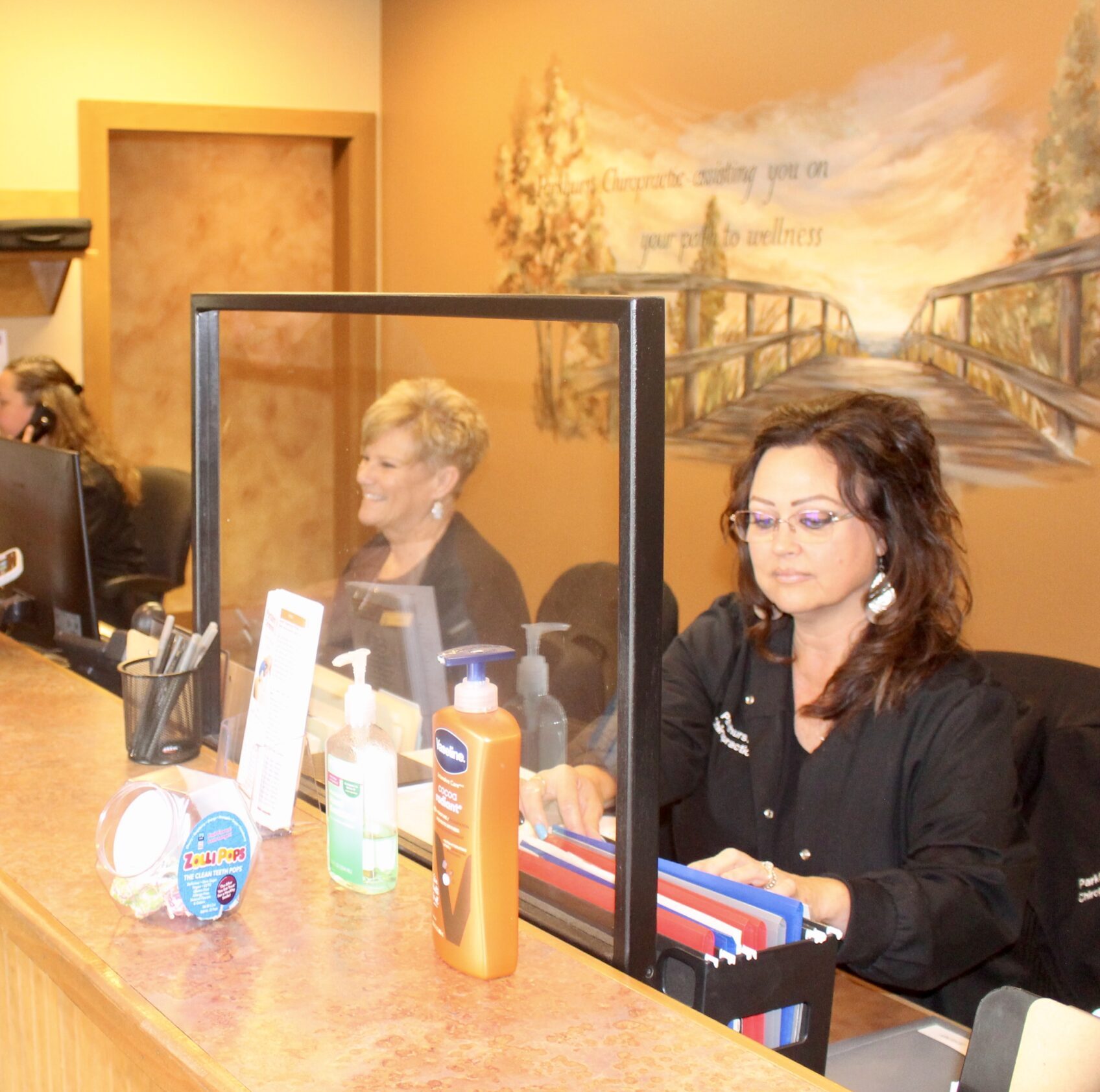
Our team consists of highly experienced chiropractors who have mastered a variety of techniques to provide you with the best care possible. They are graduates of Palmer College of Chiropractic with mastery in various chiropractic techniques such as Diversified, Gonstead, Thompson Drop, Toggle, Activator, and Active Release Technique.
With over 80 years of combined experience, they provide advanced chiropractic care using the latest technology and techniques. Their dedicated approach focuses on personalized chiropractic adjustments to help patients achieve optimal health by addressing both symptoms and underlying causes of discomfort or pain.
Read More
Dr. Brian and Dr. Karla Parkhurst
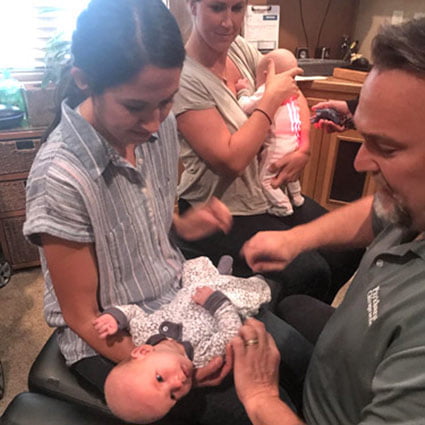
Dr. Brian and Dr. Karla Parkhurst understands that each patient is unique. This is why they offer comprehensive care that extends beyond just chiropractic adjustments; both doctors also have board certification in physical therapy to ensure a well-rounded approach to treatment.
When you visit their clinic in Holland, MI., trust that you will receive top-notch care from highly skilled professionals who are passionate about improving your overall well-being through tailored chiropractic services.
Dr. James Friess
Experienced chiropractor, Dr. James Friess, offers personalized chiropractic care in Holland, MI. Friess helps patients achieve optimal health and wellness. He is also board certified in physical therapy for additional support in delivering top-quality care.
Dr. Jeremy Lengkeek
Highly skilled chiropractor Dr. Jeremy Lengkeek in Holland, MI provides exceptional care to patients. With a passion for helping others and extensive experience in the field, Dr. Lengkeek plays an integral role in providing top-notch chiropractic care to the community.
Dr. Russell Sweet
Experienced chiropractor, Dr. Russell Sweet, practices in Holland, MI. With a board certification in physical therapy as well, Dr. Sweet is committed to providing personalized chiropractic adjustments for optimal health outcomes to all patients.
Dr. Samantha Spooner
At Parkhurst Chiropractic, Dr. Spooner is part of an experienced team that provides exceptional care to patients. Her commitment to helping individuals achieve optimal health and wellness is evident in her approach to each patient’s unique needs.
Meet The Doctors
Advanced Technology and Techniques
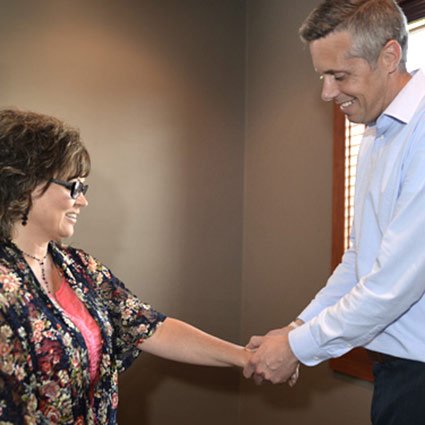
Our team of highly skilled chiropractors are experts in a wide range of chiropractic techniques, such as Diversified, Gonstead, Thompson Drop, Toggle, Activator, and Active Release Technique.
With our knowledge and experience in these methods, we provide effective and personalized care for addressing different musculoskeletal issues. Whether you require spinal adjustments or other forms of treatment, trust us to improve your overall well-being through quality chiropractic care using the latest advancements in the field.
Our team of chiropractors is dedicated to delivering comprehensive care for all your physical therapy needs. With board certification in physical therapy, our doctors have received extensive training and education to ensure they are equipped with the latest techniques and knowledge in the field.
Whether you’re recovering from an injury, managing a chronic condition, or seeking to improve your overall mobility and wellness, our certified therapists can create personalized treatment plans tailored to meet your specific requirements.
Testimonials

Frequently Asked Questions
What types of services do you offer?
At Parkhurst Chiropractic, we offer a diverse range of services to cater to your unique needs, from relieving immediate discomfort to promoting overall well-being. Our seasoned team, equipped with advanced technology and holistic methodologies, helps us deliver the highest quality care. Our services include:
- Chiropractic Care: Our foundational service, offers personalized adjustment techniques for various conditions.
- Cold Laser Therapy: A non-invasive treatment aiding in tissue repair and pain reduction.
- E-Stim: Electrical stimulation to help relieve pain and promote optimal muscle function.
- Home Exercise Program: Customized routines to help maintain progress between visits.
- Kinesiology Taping: Enhancing mobility while offering support and stability to muscles and joints.
- Manual Therapy: Hands-on techniques for muscle manipulation and joint mobilization.
- One-on-One Training: Personalized sessions to meet your fitness and wellness goals.
- Ultrasound: Used therapeutically to facilitate healing.
- Whole Body Vibration: A unique exercise method for improving strength, flexibility, and circulation.
- Functional Nutrition: Comprehensive nutritional strategies to optimize your health.
- Metabolic Assessment: Evaluating body metabolism to design personalized wellness plans.
- ACT (Acoustic Compression Therapy): Our exclusive piezowave therapy, particularly beneficial for foot problems.
- Spinal Decompression: A non-surgical treatment for chronic back or neck pain.
What types of insurance do you accept?
Yes, we accept most major forms of insurance. If we do not participate with your insurance or you have a high deductible plan please contact our office for more information on how we can make care more affordable for you.
What types of payment methods do you accept?
We accept a variety of payment methods including cash, debit, check, Visa, MasterCard, Discover, American Express, CareCredit & InstaMed.
Do you accept appointments? Can you get me in today?
Yes, our goal is to get you in today! You can see availability with our online scheduling. We welcome both scheduled appointments and same-day appointments when available. Our goal is to provide flexibility and accessibility to our patients to receive the care they need when they need it.
What are your hours of operation?
Mon, Wed: 9:00am–6:00pm
Tue: 9:00am–5:00pm
Thu: 10:00am–6:00pm
Fri: 9:00am-5:30pm
Sat, Sun: Closed
Get Started Today
Our team is known for successfully treating patients across all ages and walks of life. We find immense pride in our role as community pillars, having watched generations thrive and grow, with children transforming into adults and starting their own families.
At Parkhurst Chiropractic, we’re not just about treating conditions; we’re about enhancing lives, fostering wellness, and nurturing strong community bonds. Join us on this journey of innovation and care, and experience the Parkhurst difference for yourself.